Beautiful, Bountiful, Resilient
Ecological Landscapes
"The best time to plant was a decade ago.
The next best time is now."
Hummingbird Privacy Nook
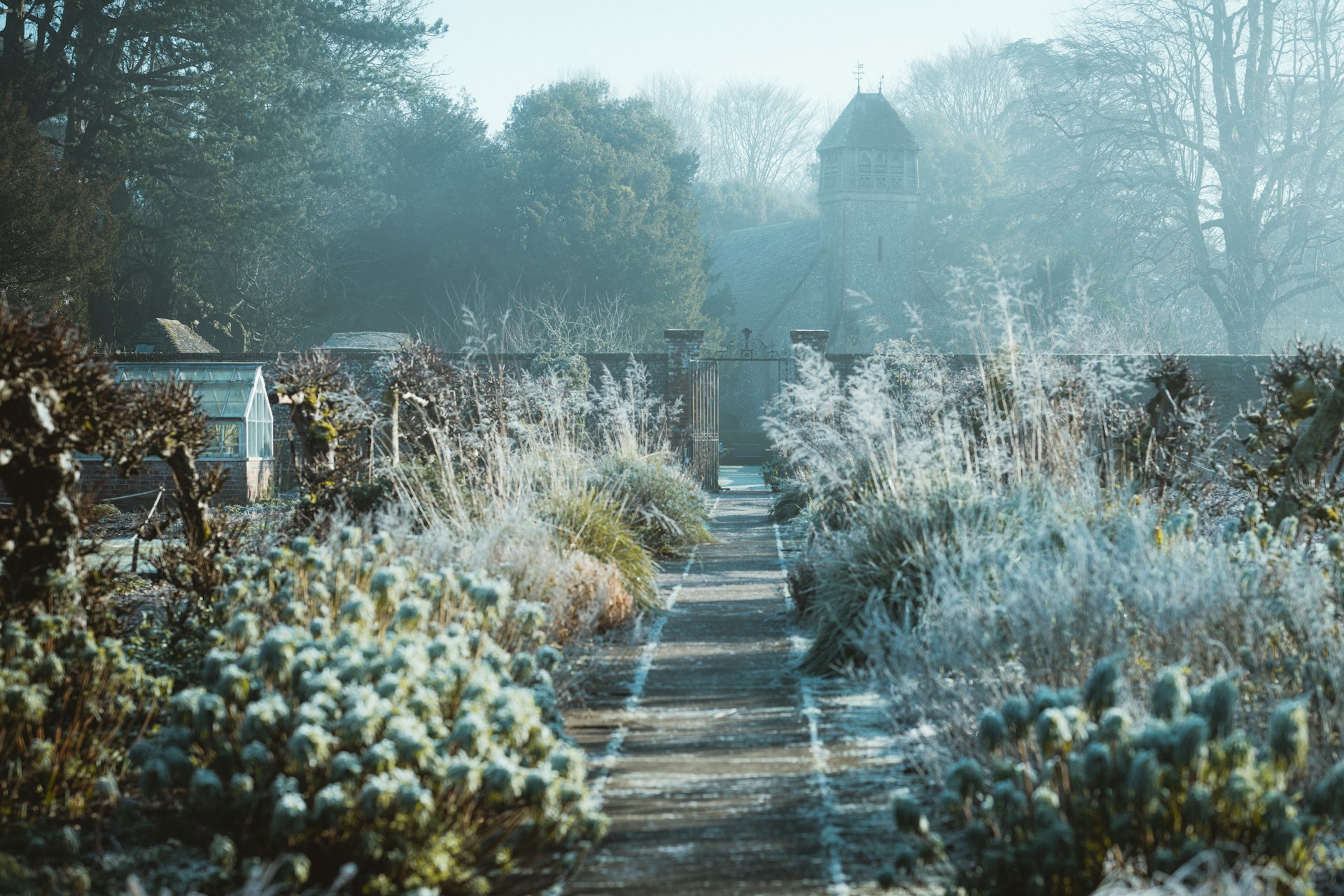
I loved waking up this morning and seeing the beautiful lattice wall as a backdrop to my winter garden. Thank you for your diligent work!
-Rosemary
"Kevin has creative and original ideas. He is reliable, fair in his pricing, and consistent in showing up to complete projects. Kevin and his team are very passionate about the essence of what they are creating: peace, beauty, and a deep connection to the earth. I appreciate the deep knowledge and care that has gone into the work, and I highly recommend Garden Gnomads."
- Katie
Lawn and Foundation Revamp
"Kevin is very knowledgable and a hard worker."
- Anne
Mixed Media Hardscapes
& Water Features


Blogs, Events, & More
Each of our Gnomads have their own blog to share information, and they collaborate on public and private events for educational entertainment.
STEWARD'S ALMANAC
Keeping track of seasonal tasks to anticipate what's growing on next.
Workshops and Work Days
Get your hands dirty and your body moving.
Steward's Counsel
Guidance and reflections for applying practical, ecological wisdom to everyday life and land management.
Stewardship Timeline
To be a steward is to observe the rhythm of the land. We commit to eight dedicated management sessions per year, aligning our hands with the phases of the moon.
🌑 The New Moon Sessions: Focus on new beginnings, sowing, and stimulating growth above the ground.
🌕 The Full Moon Sessions: Focus on completion, root health, structure, and preparing the soil.
Waking Up
Winter-Spring
After a long winter, every new leaf and blossom is a welcome sight. A time of gratitude and awakening.
🌕 The Structure
- Pruning: With the sap still low in the roots, prune your fruit trees for solid structure. Open the canopy to the light.
- Soil Prep: Observe the soil structure as it thaws. Avoid compacting wet soil, but begin clearing debris to let the earth breathe.
🌑 The Plan
- Sow & Stratify: This is the ideal time to get seeds into the soil. Plant any seeds that have been cold-stratified and are ready to burst.
- Design: Finalize your garden plan. Vegetable time is fast upon us; decide where the energy will go this year.
Full Swing
Spring-Summer
Maximum Growth! Keep an eye on the weeds, but as long as nothing is overpowering, it all plays a role. Remove weedy seed heads before they ripen and your task will be much easier next year.
🌕 The Weeds
- Weed Management: Keep an eye on the competition. You don't need to eliminate everything, but intervene before invasive plants take over.
- Seed Head Removal: Crucially, remove weedy seed heads before they ripen. This single task prevents thousands of weeds next year.
🌑 The Chop
- The Chelsea Chop: Around late June or early July, cut back tall late-blooming perennials (like sedum or asters) by one-third. This encourages a bushier, more compact flower show come fall.
- Nutrient Boost: Apply compost teas or top-dressings now while the plants are hungry and pushing upward.
Slumber
Summer-Fall
The plants are slowing down to save their energy for cooler weather. Follow their lead, find some tasks in the shade!
🌕 The Assessment
- Observation: Take stock of what thrived and what struggled.
- Passive Tasks: Work in the shade. Clean your tools, organize your pots, and prepare the infrastructure for the coming dormancy.
🌑 The Harvest
- Enjoyment: Cut flowers for the table and harvest berries. Eat the warmth while it is here.
- Light Deadheading: Remove spent blooms to encourage one last flush of energy before the cold sets in.
Going Abed
Fall-Winter
Add some extra mulch to give your roots a bit of a blanket before the ground cools.
🌕 The Roots
- The Blanket: Add extra mulch to give your roots a thick blanket before the deep freeze.
- Planting Down: Once the ground cools, plant your garlic, hyacinths, and alliums. They need the dark cold of winter to establish the roots that will greet you next spring.
🌑 The Collection
- Seed Saving: Collect seeds you wish to keep from your strongest plants. Label them and begin the stratification process if needed.
- Clean Up: Remove diseased foliage to prevent pests from overwintering.
Epiphany's Musing
Thoughts from the Underground;
Some explorations, essays, and other goodies that we hope will get you thinking.
Landscape Design
Tools and Templates
Every landscape is a unique canvas. These are some of the broad strokes we use to paint them.
Cozy corners for people, pollinators, and pause.
Nooks & Havens are small, intentional pockets of the landscape designed for quiet enjoyment, refuge, and ecological enrichment. These spaces might include a tucked-away bench under fragrant blooms, a shady reading corner ringed with natives, or a sunlit patch planted for butterflies and bees. More than ornamental, they’re functional pauses—micro-habitats for life to flourish and for humans to slow down.
Ideal for: Restful retreats, backyard biodiversity, and designing beauty into the margins.

Shaping the land to shape the climate
Planted berms are sculpted mounds of earth designed to create diverse microclimates within a single bed. The dry, sun-baked ridge, cool, shaded north slope, warm, south-facing side, and moist, sheltered basin each offer unique growing conditions—perfect for layering drought-tolerant natives, moisture-loving edibles, and everything in between. Berms also improve drainage, add visual interest, and reduce wind exposure.
Ideal for: Maximizing plant diversity, creating garden drama, and working with the land to support resilient ecosystems.

Scalable abundace, one guild at a time
Modular food forests are layered plantings of fruit trees, shrubs, herbs, vines, and groundcovers designed to mimic natural ecosystems while producing food, medicine, and habitat. Installed as repeatable, site-adapted “modules” or plant guilds, each unit supports soil health, water retention, and pest resilience through companion planting. Start with one and expand over time—each addition grows the canopy, yields, and community connection.
Ideal for: Home orchards, shared land projects, and anyone looking to grow a perennial pantry with ecological elegance.

Living fences with deep roots and layered benefits
Densely planted, artfully woven boundaries of native shrubs and small trees that serve as both functional barriers and ecological corridors. Inspired by traditional European hedgelaying and adapted with North American species, these living fences provide privacy, wind protection, erosion control, and year-round habitat. With careful pruning and interplanting, they evolve into richly textured tapestries of beauty, biodiversity, and boundary.
Ideal for: Property edges, pasture borders, garden enclosures, and anyone seeking a regenerative alternative to fences.
.

Sip-worthy spaces for calm and cultivation
Relax in a sanctuary of peace and flavor with our custom tea gardens. From aromatic lavender to robust Camellia sinensis, let each sip of tea be a tribute to your personal oasis. A space where beauty meets utility, and every plant tells a story of culture, history, and flavor.
Ideal for: Herbal enthusiasts, pollinators, and anyone who enjoys a garden they can sip from.
.

Fresh flavor at your fingertips
Imagine basil, parsley, thyme, oregano, chives, and rosemary within arm’s reach of your home. Selected for easy harvest and continuous production, these compact, sun-loving gardens combine practicality with beauty—offering texture, fragrance, and year-round appeal. Whether nestled in raised beds, containers, or a dedicated garden nook, they make everyday cooking more vibrant and seasonal.
Ideal for: Home cooks, kitchen gardeners, and anyone who wants fresh herbs just steps from the stove. .

Slow the flow and soak in the beauty
Transform stormwater runoff into a thriving asset with purposeful earthworks and planting design. These functional basins and lush swales are engineered to capture, filter, and sink rainwater back into the earth, preventing erosion while creating a vibrant habitat for pollinators and dragonflies. By swapping soggy lawns for deep-rooted native blooms, you turn drainage challenges into resilient, low-maintenance sanctuaries that drink deeply and bloom brightly.
Ideal for: Low-lying yards, erosion control, protecting local watersheds, and anyone wanting to turn a rainy day into a resource.
.

Veridity's Lab
Explorations, experiments, research updates, and discoveries from ecological monitoring. Plus book reviews, discussions, and occasional gatherings of the minds.
Veridity's Library
Media and resources to study and share, experiments to try and ideas to savor.
Veridity's Library is full of information. The's always more to learn!
Books are a great source of verified information, displayed in an organized and digestible flow.
The Living Landscape: Designing for Beauty and Biodiversity in the Home Garden is geared toward homeowners, garden enthusiasts, and landscape designers who are passionate about creating outdoor spaces that do more than just look attractive—they actively support local ecosystems. The book’s core message is that our home gardens can be transformed into vibrant, biodiverse habitats through thoughtful design that integrates native plants and sustainable practices.
Tallamy and Darke challenge conventional landscaping by moving away from sterile, manicured lawns and ornamental plantings that often serve little ecological function. Instead, they champion a design philosophy that fuses beauty with biodiversity. This approach emphasizes selecting native species that are naturally adapted to the local climate and soil, which in turn supports local insect populations, birds, and other wildlife. The authors argue that a truly living landscape not only enhances aesthetic appeal but also fosters ecosystem resilience and functionality.
For those looking to put these ideas into practice, the book offers actionable advice: start by assessing your current garden layout and identifying areas where native plants can thrive; plan for layered plantings and habitat zones such as pollinator gardens or woodland edges; and gradually transition from traditional lawns to more dynamic, ecologically beneficial plant communities. This integrative strategy not only creates a visually engaging environment but also contributes to broader conservation efforts.
By blending ecological insights with practical design tips, The Living Landscape provides a refreshing roadmap for anyone eager to reimagine their outdoor space as a living, breathing component of nature’s tapestry.
Planting in a Post-Wild World by Claudia West and Thomas Rainer is crafted for landscape architects, gardeners, environmental planners, and conservation-minded practitioners who are rethinking how to design resilient, ecologically responsive landscapes in an era where pristine wilderness is largely a memory.
Target Audience:
This book speaks directly to professionals and enthusiasts involved in landscape design and ecological restoration. It is ideal for those seeking innovative strategies to create sustainable, biodiverse plantings in urban, suburban, and otherwise human-dominated settings.
Key Themes:
The central message is that our landscapes, though altered, can still thrive with intentional, ecologically informed planting strategies. West and Rainer advocate for embracing local ecological realities—designing plant communities that are diverse, adaptive, and capable of supporting local wildlife. They underscore the importance of integrating native species and functional groupings to foster resilient ecosystems.
Differentiators from Conventional Approaches:
Unlike traditional landscaping that prioritizes ornamental appeal with a narrow selection of exotic species, this book challenges the status quo. It argues for a paradigm shift: instead of trying to recreate an idealized past, designers should work with the conditions at hand, creating dynamic, living systems that reflect local ecological processes and are adaptable to change.
Actionable Advice:
- Begin with a thorough assessment of your local conditions, identifying native species that are well-suited to your region's climate and soil.
- Design layered, diverse plant communities that serve multiple functions—ranging from erosion control to habitat creation.
- Embrace an iterative, adaptive design process, recognizing that landscapes are evolving systems requiring regular observation and fine-tuning.
- Prioritize ecological functionality over purely aesthetic considerations to achieve a balance between beauty and sustainability.
This approach provides a practical framework for transforming conventional landscapes into thriving, resilient ecosystems that acknowledge and work within our post-wild reality.
Summary:
This book is a gentle, accessible introduction to permacuture principles applied at the home garden scale. Hemenway explores how gardeners can mimic the diversity, efficiency, and resilience of natural ecosystems to grow food, build soil, and support biodiversity in their own backyards. He frames gardens as living systems, emphasizing relationships among plants, animals, water, and humans.
Ecological Review:
From an ecological standpoint, Gaia’s Garden shines in translating theoretical ecology into practical land use. The emphasis on plant guilds, edge effects, and closed-loop nutrient cycles mirrors what we see in well-functioning natural ecosystems. It respects the soil food web, succession, and biodiversity, and presents a clear framework for cultivating mutualism instead of dominance.
Key Takeaway:
This book teaches how to design with ecology in mind, not just to sustain but to regenerate. It shows that every backyard can be a node in a larger ecological network.
Summary:
More essay than manual, Kimmerer’s The Serviceberry explores the idea of a gift economy rooted in reciprocity with the Earth. Using the serviceberry—a generous, native fruit—as a metaphor, she challenges dominant extractive economic systems and instead imagines a society built on shared abundance, mutual benefit, and stewardship.
Ecological Review:
For an ecology student, this essay is a call to rethink systems thinking beyond biology. Kimmerer urges us to see ourselves not as apart from nature but as participants in ecosystems of exchange. The ecological metaphor of mutualism becomes an ethical and economic stance. It challenges you to see soil, fruit, labor, and love not as commodities, but as gifts with responsibility.
Key Takeaway:
Ecology isn’t just about observing nature—it’s about living in it ethically. The future of ecology depends not only on knowledge, but on reciprocity.
Bringing Nature Home
Target Audience:
Individuals eager to transform personal outdoor spaces into havens for native biodiversity.
- Homeowners, gardeners, and suburban community members interested in conservation.
- Local leaders and activists looking for grassroots approaches to ecological restoration.
- Lawn care professionals open to a different perspective.
Main Theme
Advocating for a community-driven, bottom-up conservation movement where small, individual actions aggregate into a substantial ecological impact, like patches in a quilt.
Actionable Advice:
- Plant Native Species: Replace exotic ornamental plants with species indigenous to your region to support local insects and wildlife.
- Create Ecological Corridors: Collaborate with neighbors to design interconnected green spaces that facilitate wildlife movement and gene flow.
- Adopt Regenerative Practices: Implement sustainable landscaping techniques that mimic natural ecosystems, reducing chemical use and promoting soil health.
- Educate and Engage: Use your garden as a platform for local environmental education, encouraging others to adopt native landscaping practices.
- Monitor and Adapt: Regularly assess your garden's ecological impact and adjust practices to improve habitat quality over time.
Further Research:
- Literature: Explore additional works by Doug Tallamy, such as Bringing Nature Home, for deeper insights into native plant ecology and conservation strategies.
- Case Studies: Review community-led conservation projects that have successfully transformed suburban areas.
- Scientific Journals: Investigate peer-reviewed studies on the ecological benefits of native landscaping and urban habitat connectivity.
- Local Resources: Connect with local botanical gardens, native plant societies, and conservation agencies to access region-specific guidelines and success stories.
Summary:
This is a friendly, practical introduction to urban and backyard vegetable gardening. Written by the founders of Seattle Urban Farm Co., it covers site selection, soil prep, plant care, and crop planning—all with a strong emphasis on productivity in small spaces.
Ecological Review:
From an ecology perspective, this book focuses primarily on applied horticultural practice, but the ethos is clearly in favor of working with natural systems, especially in urban contexts. It encourages healthy soil, crop rotation, and water conservation, though it leans more practical than systems-thinking.
Key Takeaway:
This is the book to give to someone starting their garden today, but who may one day begin to ask deeper ecological questions. It helps build the habits of observation, seasonal rhythm, and care for soil life.
A practical guide crafted for gardeners, homeowners, and urban enthusiasts eager to transform their outdoor spaces into vibrant edible landscapes. The book speaks directly to those who want to marry aesthetic appeal with sustainable food production, making it ideal for anyone interested in creating a garden that’s both beautiful and bountiful.
Palmer’s work centers on the idea that edible gardening can be seamlessly integrated into our everyday surroundings without sacrificing style or functionality. He highlights how thoughtful planning and design can turn any patch of land—whether a sprawling backyard or a modest balcony—into a productive ecosystem. Central themes include the integration of edible plants with ornamental features, the benefits of organic and regenerative practices, and the importance of biodiversity in maintaining a resilient garden.
The actionable advice in Very Edible Gardens is both straightforward and inspiring. Palmer encourages readers to start small by selecting locally appropriate plant varieties and planning their garden layout with an eye for both design and function. He provides clear guidelines on soil preparation, water management, and companion planting to optimize growth and yield. Ultimately, his approach empowers gardeners to experiment with design ideas, gradually expand their edible spaces, and enjoy the rewards of a garden that nourishes both body and spirit.
Actionable Advice:
- Adopt Organic Practices: Use compost, natural fertilizers, and integrated pest management to foster healthy soil ecosystems without chemical inputs.
- Embrace Permaculture Principles: Design garden layouts that mimic natural ecosystems, integrating companion planting, water conservation techniques, and biodiversity to create self-sustaining systems.
- Choose Local Varieties: Prioritize heirloom and native plant species adapted to your region’s climate and pest pressures, ensuring a more resilient and resource-efficient garden.
- Optimize Space and Resources: Utilize innovative techniques such as raised beds, vertical gardening, and intercropping to maximize productivity while maintaining ecological balance.
Summary:
This foundational text is the encyclopedic cornerstone of permaculture, laying out the systems theory, ecological principles, and design strategies that define the practice. Mollison offers deep dives into climate zones, water harvesting, soil building, tree systems, aquaculture, and beyond—aiming to teach us to design regenerative systems at any scale.
Ecological Review:
From a scientific perspective, the book is ambitious and visionary—at times overwhelming. Mollison’s thinking is interdisciplinary, ecological, and deeply integrative, combining traditional knowledge with systems science. His emphasis on feedback loops, redundancy, and energy cycling is directly aligned with ecological principles. However, some sections reflect the tone and limitations of its time (1980s), and the book assumes a high level of self-direction from the reader.
Key Takeaway:
This is not just a book—it’s a curriculum. It urges the reader to become a system thinker, able to work with the land as an adaptive, evolving organism.
Summary:
This book is a deep dive into soil mineral balancing, focusing on how nutrient-dense food is directly tied to soil fertility and micronutrient levels. Solomon advocates for individualized, soil-test-based amendments rather than generic compost applications.
Ecological Review:
This is an advanced-level manual for those interested in soil chemistry and long-term fertility. While it may not focus on broader systems ecology, it emphasizes the mineral ecology of plants, the nutritional web, and how deficiencies ripple through ecosystems and human health.
Key Takeaway:
Healthy soil isn’t just alive—it’s balanced. The book advocates for gardening based on ecological precision, rather than one-size-fits-all advice. For the ecologically inclined, it connects biogeochemistry with food quality.
Summary:
A foundational text in the biointensive gardening movement, Jeavons’ book teaches how to grow large amounts of food in very small spaces using double-digging, composting, close plant spacing, and seed saving.
Ecological Review:
Biointensive gardening, as presented here, is based on mimicking natural nutrient and energy cycles. While it requires labor and commitment, it creates closed-loop systems, builds soil over time, and fosters resilience. Ecologically, it is both resource-efficient and regenerative when applied well.
Key Takeaway:
Jeavons doesn’t just teach gardening—he teaches soil building as a life goal. From an ecology student’s lens, it’s a rare and detailed example of how human systems can regenerate rather than extract.
These organizations are doing great work. Here, you can also find some digital resources to use on your regenerative journey.
Website: www.southeasternflora.com
Focuses on plant communities native to the southeastern United States.
Purpose: To provide insights into plant communities native to the southeastern U.S.
Methods: Offers a searchable database of plants and their ecological roles.
Support: Helps users identify suitable species for specific microclimates and plant communities.
Website:www.bonap.org
http://www.bonap.org/contact.html
Comprehensive database of plant distributions in North America.
Purpose: To document plant distributions across North America.
Methods: Maintains a detailed database of native and invasive plant species, including maps and species lists.
Support: Assists researchers, land managers, and enthusiasts in understanding plant populations and distributions.
A platform for citizen science. Your observations become the data that scientists use to examine the natural world.
Another platform for citizen science, like iNaturalist, except Nature's Notebook focuses on the seasonal changes of an individual plant. Where iNaturalist is great for one-off species identification/inventory, Nature's Notebooks accumulates data to show how an individual plant or species behaves through the seasons and across multiple years. Some of their best data has been taken every other day for the last 20 years! Their insights have shown the plants are waking up about six weeks earlier than they were two decades ago. It will be interesting to see what new insights might come from a wave of Citizen Stewards recording the behavior of the ecosystems around them.
Find more information on their website: https://www.usanpn.org/nn
Know of any excellent resources we've missed? Let us know!
Here are some thought leaders and inspirational or informative episodes.
Bridging indigenous wisdom with ecological science, Kimmerer highlights the relational dynamics in nature and promotes stewardship practices that honor both cultural heritage and environmental sustainability.
Her Works:
Braiding Sweetgrass
Gathering Moss
The Serviceberry
A renowned permaculture consultant and educator, Lawton’s work focuses on practical, scalable strategies for applying regenerative principles in diverse settings.
Market Gardeners all, these folks grow incredible amounts of fresh produce on a remarkably small scale.
Experienced land designer and manager, and regenerative business coach. His Daily Statement of Reality and Values-based Decision Making are fantastic techniques to devine your biggest roadblocks in business and the landscape.
A podcast network with much content.
Experienced land designer and manager, and regenerative business coach. His Daily Statement of Reality and Values-based Decision Making are fantastic techniques to devine your biggest roadblocks in business and the landscape.
Renowned for his emphasis on plant structure, seasonal transitions, and the concept of “year-round beauty.” Rather than focusing solely on colorful flowers, he carefully selects perennials and grasses for their seed heads, leaf shapes, and winter silhouettes, ensuring visual interest in every season.
Applied Philosophy:
- Four-Season Framework: Oudolf landscapes remain engaging even in dormancy—seed heads and dried grasses form the “winter garden,” attracting birds and providing architectural interest.
- Matrix Planting & Drifts: Large drifts of complementary plants create sweeping visual patterns. Within these layers, a “matrix” of robust grasses often supports intermingled forbs, reducing maintenance.
- Ecological Aesthetics: Despite a romantic or painterly style, Oudolf emphasizes hardy, well-adapted perennials that can thrive with minimal input, capturing both ecological function and artistry.
Known for designed meadows and dynamic plant communities in urban or public landscapes. His work frequently appears in city parks, public buildings, and green roofs, reflecting a drive to bring the feel of wildflower meadows into structured environments.
Applied Philosophy:
- Low-Input Meadows: Dunnett often replaces traditional lawns with meadow-like planting—combinations of grasses and colorful perennials that replicate the look of a flowery meadow but are carefully curated for lower upkeep.
- Seasonal Waves: By mixing species with staggered flowering times, his meadows change in appearance over the course of the year, creating a “wave” of color and biodiversity.
- High-Impact, Low-Cost: Frequently used in public spaces, the approach leverages easy establishment techniques (overseeding, plug planting) to give maximum visual impact with comparatively minimal management.
Based in Germany, Cassian Schmidt has pioneered mixed-planting systems that blend ornamental perennials and grasses in ways reminiscent of natural plant communities. He aims to reduce long-term maintenance by grouping species with compatible growth habits, light requirements, and water needs.
Applied Philosophy:
- Extensive Research & Testing: Schmidt’s approach often involves trial gardens to observe plant compatibility, ensuring that final designs rely on species proven to coexist under similar conditions.
- Layered Ornamental Plantings: Similar to Piet Oudolf and Nigel Dunnett, he emphasizes diverse layers—structural grasses interplanted with long-blooming perennials—so the garden remains attractive and dynamic through the seasons.
- Multi-Functional Beauty: The aesthetic appeal is complemented by ecological benefits such as habitat for pollinators, simplified weed control through dense planting, and adaptive resilience to changing climates.
Known for large-scale projects and university research, James Hitchmough specializes in synthetic plant communities—designed mixtures of herbaceous species that emulate the diversity and layering found in nature while being tailored to the specific site conditions.
Applied Philosophy:
- Sowing & Establishment Techniques: Hitchmough is a proponent of direct seeding (rather than container planting) in large public spaces, often developing seed mixes that can be established with minimal irrigation or chemicals.
- Exotic-Native Blends: Recognizing the challenges of purely native planting in urban contexts, Hitchmough often blends robust, non-invasive exotic species with natives to maximize visual spectacle and ecosystem services.
- Adaptive Management: Post-establishment, plant communities are monitored and lightly managed—rather than heavily manicured—to allow the most successful species to flourish while maintaining desired aesthetics.
An American landscape architect, Andrea Cochran is known for clean lines, geometric layouts, and modern minimalism, yet her designs often incorporate naturalistic plantings that provide textural contrast and ecological depth.
Applied Philosophy:
- Structured Hardscapes Meet Lush Planting: Cochran uses crisp borders, stone walls, or steel edging to frame drifts of ornamental grasses, perennials, or pollinator-friendly natives.
- Simplicity & Restraint: Rather than complex plant mixes, she may focus on a limited palette used in bold sweeps—still evoking a natural feel but with an architect’s eye for order.
- Ecological Underpinnings: Despite a modern aesthetic, the emphasis remains on drought-tolerant plants and site-appropriate species that reduce resource inputs.
An American landscape architect, Andrea Cochran is known for clean lines, geometric layouts, and modern minimalism, yet her designs often incorporate naturalistic plantings that provide textural contrast and ecological depth.
Applied Philosophy:
- Structured Hardscapes Meet Lush Planting: Cochran uses crisp borders, stone walls, or steel edging to frame drifts of ornamental grasses, perennials, or pollinator-friendly natives.
- Simplicity & Restraint: Rather than complex plant mixes, she may focus on a limited palette used in bold sweeps—still evoking a natural feel but with an architect’s eye for order.
- Ecological Underpinnings: Despite a modern aesthetic, the emphasis remains on drought-tolerant plants and site-appropriate species that reduce resource inputs.
Basic ecological principles, soil health fundamentals, native plant selection, water conservation basics, and introductory landscape design.
Practical DIY projects, case studies on regenerative techniques, hands-on soil improvement methods, water management systems, and integration of ecological principles into existing landscapes.
Advanced strategies for large-scale regenerative design, innovative landscape restoration projects, ecosystem services and biodiversity enhancement, policy and community engagement, and cutting-edge research in ecological landscaping.
We look forward to helping you on your journey! Let us know how we can help.
Fostering the Soil Food Web earns their love. When microbes can go about their lives comfortably, they create the structure, provide the nutrients, and interconnect such that the entire ecosystem will thrive.
Soil Health Principles
- Soil Armor: mulch
Wind, rain, and sun burns and erodes bare soil. Stewards will always cover exposed soil with a modest layer of composted leaf mulch; even better if made from the remains of last winter's leaves. The best stewards aim to cover the soil with the best mulch of all: a green leaf. A living mulch of low, spreading groundcover plants provides all of the functions of a composted mulch and more (+).
Temperature: cools the soil (by up to 15 degrees F on a hot summer day)
Compaction: reduces compaction from rain (A raindrop at terminal velocity can compact soil to 4 inches deep)
Erosion: leaf compost develops fungal mats which held it in place while still allowing water and air to flow into the soil. Where runoff or excessive winds would normally remove the top layer of soil, leaf mulch helps hold
+ Symbiosis: plants and microbes work together. Roots, shoots, and leaves form natural Power Plants. Foliar solar panels, wind-strengthened and water-cooled, catch heat and light from the sun to make sugars for the plants and their friends. Plants live and die feeding soil microbes who live and die and, in turn, feed plants.
+ Flowers & Fruit
+ Larval Host Plants
- Living Roots: energy capture
- Maximize Diversity: symbiosis
- Mindful Disturbance: succession
- Integrate Animals: energy flow
Compost comes in many forms within a few broad categories.
- Mulching compost
- Fertilizing Compost
- Bacterial
- Fungal
- Inocculating Compost
- Mixed Use
Increasing plant diversity is the best way to increase soil diversity. Modeling wild plant communities simplifies the process of choosing species to suit the site, and using local ecotype seed automatically increases genetic diversity. A wonderful thing!
Growing Soil
Soil is the sheltered medium where plant roots interact with microbes.
Nature builds an inch of soil over about 50 years. Humans can do so in less than 3.
Here's how: Focus on the microbiome!
When a landscape has only a few elements, anything out of place is glaringly obvious. In a diverse and thriving landscape, everything has its place. The blended forms and subtle texture are their own layer of beauty from afar; diverging into a hundred shapes and colors as you move toward the mirage. Get close enough and you'll find that is oh so real, with waves of scent and sound washing your soul in hydrating vibrations.
Local birds eat many, many seeds and berries. And 96% of them raise their young on insects, especially worms and caterpillars. Therefore; more worms and caterpillars mean more baby birds growing to fledge their own progeny. How to have more worms and caterpillars? Soil health principles that will help the worms; so how can we have more caterpillars? Since each species of caterpillar needs its particular host plant(s), the answer is to grow a wider array of native plants.
Some may have concern of bugs, mice, and snakes. Luckily; the mice eat the bugs, and the snakes eat the mice and the bugs, and if you're lucky, a family of hawks or owls will spy the snakes and mice and bugs and decide to stick around for dinner. And just maybe, a pair of ravens will find your oasis and keep the whole scene in check.
Spring ephemerals, the summer hum, fall foliage, and winter texture combine to offer a spectrum of color and texture throughout the year. It's hard to beat the first witch hazels and blueberry blossoms, or the glorious shades of a summer meadow, or the rich harvest of fall, or the glowing grasses of winter. Embrace the seasons and enjoy the spice of life.
Growing Flowers
Everyone enjoys beautiful flowers, especially pollinators.
Edible landscaping combines ornamental and food-producing plants in designed landscapes.
Past Knowledge
- Perennial Polycultures: Traditional systems like forest gardens mimic natural ecosystems with layers of perennial plants (trees, shrubs, groundcovers).
- Biodiversity Benefits: Incorporating a variety of edible plants encourages pollinators and natural pest control.
- Integration with Ornamentals: Aesthetic plantings of fruit trees, herbs, and vegetables create multifunctional spaces.
Cutting-Edge Practices
- Agroforestry: Blending trees, shrubs, and ground-level crops to enhance nutrient cycling and biodiversity.
- Carbon Sequestration: Designing landscapes with perennial plants to store carbon in biomass and soils.
- Edible Ecosystems: Using native plants that are both ecologically beneficial and edible to humans.
Application:
- Integrate fruiting shrubs (e.g., blueberries, elderberries) with flowers for pollinators.
- Use perennial vegetables like asparagus and rhubarb in place of purely ornamental groundcovers.
- Employ guild planting—combining complementary species for pest control and soil health.
Introduction to Regenerative Agriculture
Regenerative agriculture emphasizes restoring soil health, increasing biodiversity, and creating resilient ecosystems while producing food. The key principles include:
- Minimizing soil disturbance.
- Maximizing plant diversity.
- Maintaining living roots year-round.
- Keeping the soil covered.
- Integrating animals into the system.
This framework informs efforts in edible landscaping, market gardening, and livestock grazing to create landscapes that are not only productive but also ecologically beneficial.
Key Takeaways for Integrating Regenerative Agriculture in Landscapes
- Edible Landscaping: Focus on multifunctional, perennial-heavy plantings that mimic natural systems and require minimal maintenance.
- Growing Vegetables: Prioritize soil-building practices, biodiversity, and reduced disturbance for high-yield, sustainable production.
- Raising Meat: Harness livestock as ecosystem engineers, utilizing adaptive grazing techniques to regenerate pastures and build soil health.
Market gardening focuses on high-intensity production of vegetables, leveraging small-scale efficiency.
Past Knowledge
- Soil Health: Using compost, crop rotation, and cover crops to maintain fertility.
- Biointensive Practices: Maximizing yields on small plots through close planting and minimal inputs.
- Irrigation and Mulching: Drip irrigation and organic mulches improve water use efficiency and suppress weeds.
Cutting-Edge Practices
- No-Till Systems: Reducing soil disturbance to preserve soil structure and microbial life.
- Permanent Beds: Establishing fixed beds to avoid compaction and enhance efficiency.
- Microbial Inoculants: Utilizing mycorrhizal fungi and bacterial inoculants to boost plant health and yields.
- Agri-Technology: Leveraging soil sensors, drone mapping, and AI for precision farming.
Application:
- Transition to no-till beds using tarps or organic mulches to suppress weeds and build soil.
- Incorporate cover crops like clover or vetch between seasons for nitrogen fixation.
- Focus on intercropping—e.g., planting quick-growing radishes alongside slower-growing carrots to maximize space and yields.
Grazing livestock plays a critical role in regenerative agriculture by cycling nutrients, improving soil health, and enhancing ecosystem resilience.
Past Knowledge
- Rotational Grazing: Moving animals through paddocks to allow forage recovery and prevent overgrazing.
- Multi-Species Grazing: Combining different livestock (e.g., sheep, cows, chickens) to utilize diverse forage and reduce parasite loads.
- Manure Management: Spreading animal waste to fertilize pastures naturally.
Cutting-Edge Practices
- Adaptive Multi-Paddock (AMP) Grazing: A high-density rotational grazing approach that mimics natural herd movements to build soil and sequester carbon.
- Silvopasture: Combining trees with pastures to create shade, improve forage, and diversify farm outputs.
- Livestock Integration: Using chickens to aerate soil, eat pests, and distribute manure after grazing.
- Data-Driven Management: GPS collars, drones, and software for precise tracking and planning of grazing patterns.
Application:
- Implement AMP grazing with portable electric fencing to enhance pasture recovery and soil health.
- Use silvopasture systems with nut or fruit trees to diversify income streams while feeding livestock.
- Rotate poultry following larger animals to break parasite cycles and add fertility.
Growing Food
Everybody eats. The cells you make come from the cells you eat. Here's how to seek wellness from the landscape.
Gardens of Eden
Our connection to the public, to the communities we engage with, and to the individuals in those communities who support and appreciate our efforts.
We try to host regular Gatherings in welcoming ecological landscapes so that we might better know our neighbors and peers, and maybe even join in common purpose.
Upcoming Gatherings
Join us for a chance to meet follow nature lovers, thinkers, and doers.
Send us a message or schedule a call if you're curious. We're happy to chat!
Native Landscape Design
Custom planting plans tailored to the Piedmont region and your specific microclimate.
Offerings: Pollinator gardens, shade woodlands, privacy hedgerows, and meadow-scapes. Deliverables range from concept sketches to full-scale master plans.
Restoration Roadmap
A multi-year phased management plan for larger properties or HOAs. Prioritizes invasive removal, erosion control, and canopy restoration over 1–5 years.
Comprises: Assessment, design, and ongoing stewardship recommendations.
Site Consultation
A Senior Ecologist will identify existing native and invasive species, observe soil health and hydrology, and offer immediate verbal recommendations for ecological improvement.

Your Journey Begins Here
Defining the roadmap to a resilient landscape.
Invasive Species Remediation
Targeted removal of aggressive non-natives (English Ivy, Wisteria, Kudzu, Privet, Japanese Stilt grass).
Methodology: Prioritizing manual removal and cut-stump treatments to minimize soil disturbance and protect surrounding native flora.
Stormwater & Erosion Solutions
Green infrastructure to manage Charlotte’s heavy clay runoff.
Includes: Rain gardens, bioswales, dry creek beds, and steep slope stabilization using deep-rooted native grasses.
Conservation Planting & Installation
Sourcing and installing high-quality, local-ecotype native plugs, shrubs, and trees.
Focus: Establishing "plant communities" rather than isolated specimens to reduce mulch needs and suppress weeds naturally.
Our Primary Services
After your Site Assessment & Design,
Native Plant Supply
We offer diverse plant species for many ecological landscape installations. Our primary focus is on keystone natives, groundcover for all scenarios, locally adapted edible varieties.
Our Favorites: Solidago, Aster, Wine Cups, Pussytoes, Fig, Persimmon, American Chestnut.
Landscape Stewardship Packages
Whether newly-installed or long-established, we have a care package tailored to your landscape.

🌸 Beauty
Refined Care Through the Growing Season
Six total visits to keep things looking their best — extending blooms, keeping weeds in check, and refining the overall appearance.
Best for: Maturing gardens still filling in, or anyone who enjoys a consistently polished look all season long.

Three strategic visits each year keep your landscape healthy and balanced through timely seasonal work — like cutbacks, propagation, and monitoring for pest and disease.
Best for: Mature gardens that are well-rooted and self-sustaining. which will flourish with seasonal attention.

10-12 annual visits for gardens that need a little more hands-on care — whether newly planted or full of food crops. We focus on watering, weeding, harvesting, and adaptive support as your garden develops through the seasons.
Best for: Young landscapes, edible gardens, or anyone who wants steady guidance and care throughout the year.